
Fashion Photography in Dubai: 17 Years of Experience Behind the Lens
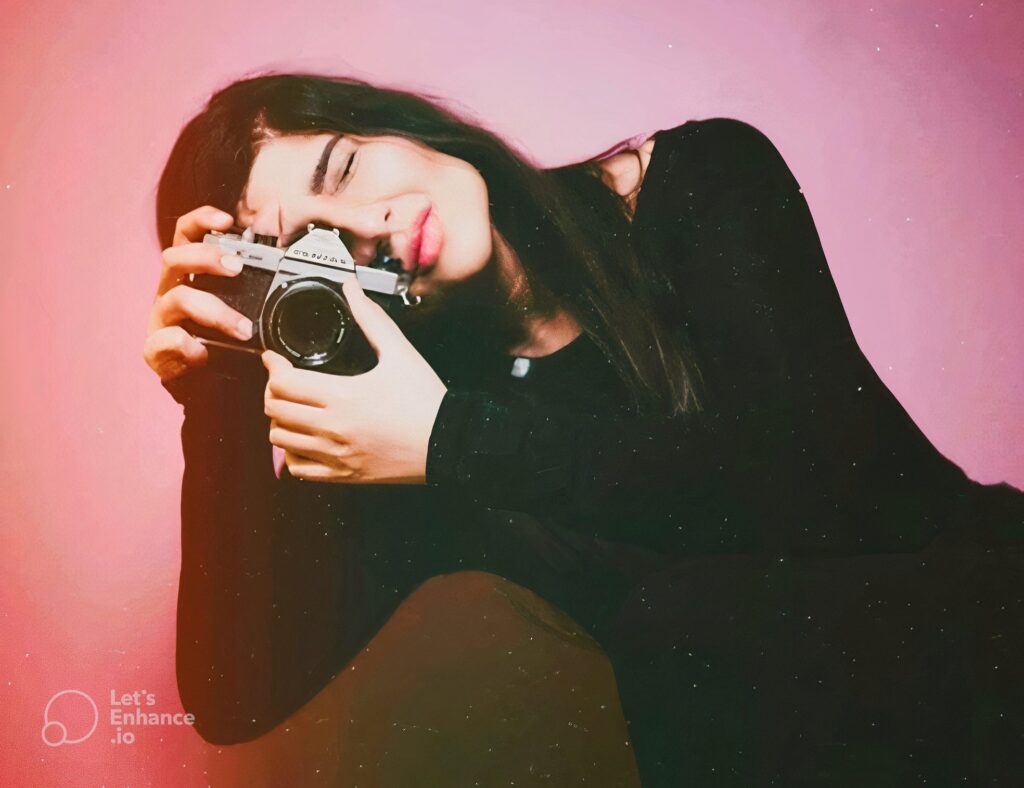
I have been photographing fashion in Dubai since 2009. In that time, the city has changed dramatically, the industry has shifted completely, and the way people use fashion photography has evolved in ways that nobody predicted. What has not changed is the fundamental truth that made me fall in love with this work in the first place: a great fashion photograph does not just document what someone is wearing. It communicates who they are.
My name is Fatimah Haroon. I am the lead photographer at Fatography, based in Arjan, Dubai. Over the past 17 years , I have photographed models building their first agency portfolios, designers launching their debut collections, influencers building audiences from nothing, and brands producing campaigns that have run on billboards and magazine covers across the region. I have shot in desert dunes at golden hour, in controlled studio environments at midnight, in heritage alleyways in Al Fahidi, and on rooftops overlooking the Dubai skyline.
Why Dubai Is One of the World's Most Underrated Fashion Photography Cities
People outside the region often underestimate what Dubai offers as a fashion photography destination. They think of the Middle East and picture limitations. What they miss is the extraordinary range of visual environments within a single city.
Dubai gives you dramatic desert landscapes, thirty minutes from the studio. It gives you clean, minimal architecture that rivals anything in Tokyo or Copenhagen. It gives you warm, golden light for longer periods of the year than almost any European city. It gives you heritage streets with texture and character in Al Fahidi that look nothing like the glass towers of DIFC five kilometres away. And it gives you a multicultural energy that makes fashion feel genuinely global rather than rooted in one aesthetic tradition.
The Locations That Consistently Produce the Best Results
After 17 years of shooting across Dubai, three locations come up time and again as reliably extraordinary for fashion photography.
Al Fahidi Historic DistrictIn the early morning, before the city wakes, produces something magical. The warm sand-coloured walls, the narrow lanes, the wooden mashrabiya screens and deep shadows create a texture and authenticity that studio lighting simply cannot manufacture. I use it for editorial work where the image needs to feel rooted and real.
Al Fahidi Historic Districtat golden hour is what people imagine when they think of Dubai fashion photography, and it earns that reputation. The quality of light in the sixty minutes before sunset is extraordinary. Soft, directional, warm and forgiving on every skin tone. Nervous models become naturally expressive in that environment because the scene does most of the work.
Alserkal Avenue in Al Quoz is my third choice for clients who want something urban and unexpected. Raw concrete, industrial geometry, colourful gallery murals and interesting negative space make it one of the most versatile outdoor backdrops in the city for contemporary fashion editorial work.
What Separates Good Fashion Photography From Genuinely Great Fashion Photography
I am asked this question constantly, and I always give the same answer: intention.
Good fashion photography is technically correct. The exposure is right, the model is sharp, and the garment reads clearly. Great fashion photography communicates something. There is a point of view in it. A mood. An emotional register that the viewer feels before they can explain it in words.
The technical side of fashion photography is learnable. Lighting ratios, lens choices, depth of field, and metering patterns are skills you acquire through practice and study. What is harder to teach is the creative intention that decides what a photograph is actually saying before the shutter is pressed.
Lighting: The Decision That Shapes Everything Else
Every fashion shoot I plan begins with a lighting decision, not a location decision. Light determines mood. Hard directional light creates drama and edge that suits bold editorial work and strong silhouettes. Soft diffused light feels approachable and commercial; it is what most e-commerce and lookbook photography uses for a reason. Side-raking light from a single source is what I use when I want a photograph to feel intimate and honest, almost documentary in quality.
In the studio, I control all of this. On location, I work with what the environment gives me and time the session around when the light is doing what I need. That is why I plan outdoor fashion shoots around golden hour rather than booking an afternoon slot because it is convenient. The light is not a detail. It is the image.
Posing Direction: What I Actually Say to the People I Photograph
Most people who are not professional models feel awkward in front of a camera. This is completely normal, and it shows up in photographs in a very specific way: stiff arms, shoulders forward, eyes slightly uncertain. My job is to dissolve that stiffness as quickly as possible.
What I have found over 17 years is that the most effective posing direction has almost nothing to do with physical instructions. Telling someone to move their arm two centimetres to the left produces a photograph of someone thinking about their arm. What works instead is a shift in attention. I ask people to think about something specific, a feeling, a memory, a version of themselves, and then I photograph the response. The body follows the mind every single time.
For more experienced models, I give very minimal direction and stay alert for the natural moments between setups. The instances when they are adjusting their hair or looking away or laughing at something I said are often the most compelling frames of the entire session.
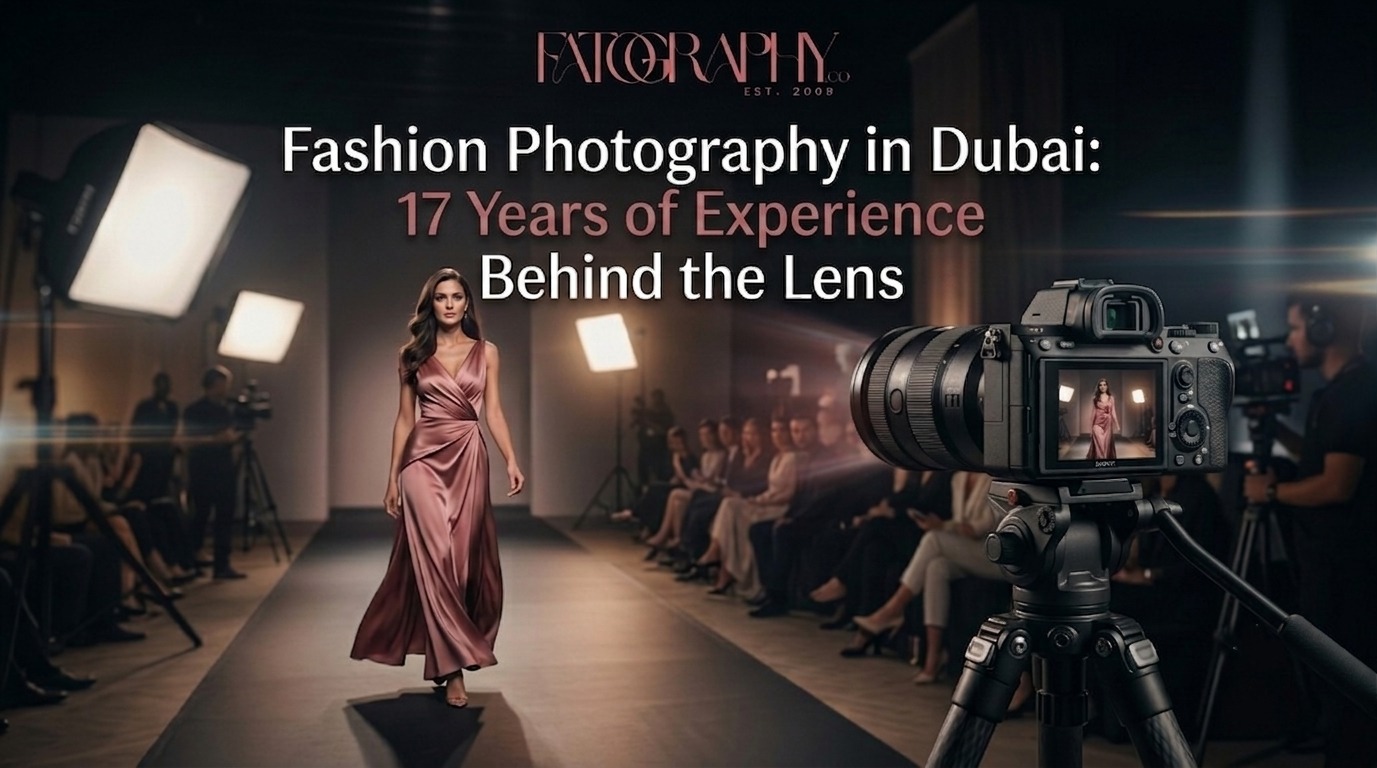
What I Tell Every Client Before a Fashion Shoot in Dubai
Whether you are a model booking your first portfolio session, a designer shooting a debut collection, or an influencer wanting a content library that actually looks like you, there are three things I tell every client before we start.
Know What the Images Are For Before We Start
The purpose of a shoot shapes every creative decision we make. Editorial photography for magazine submission looks completely different from e-commerce photography for a Noon listing. A model portfolio for agency submission has different requirements from personal branding content for an Instagram feed. Influencer content that needs to work across Instagram, TikTok and YouTube simultaneously requires different framing from images designed purely for print.
I ask every client this question before I quote, before I plan, and before I touch a camera. What are these images going to be used for? The answer changes everything.
Bring More Outfit Options Than You Think You Need
The standard advice is two to three outfits for a fashion session. My advice is to bring two to three outfits per hour of shoot time if you can. Not because we will definitely use them all, but because having options on the day creates creative freedom that produces better work. What looks perfect on a hanger sometimes does not translate to the camera the way you expected. What you thought was your safest choice sometimes becomes the most extraordinary image of the day. Restricting your options to exactly what you planned limits what is possible. Arriving with more than you need never does.
Give Yourself Time to Settle Before the Session Begins
The first fifteen minutes of any fashion shoot are almost always the most technically imperfect. The model or client is still finding their rhythm. The lighting is being finalised. The location is being properly assessed. Everyone is warming up.
Clients who arrive exactly on time and expect to be producing their best work in the first frame rarely are. Clients who arrive with fifteen minutes to settle, look around, have a conversation, and arrive mentally present before we start produce better images across the entire session.
What Fashion Photography in Dubai Has Taught Me About People
Fifteen years of photographing people in front of a camera for a fashion context has taught me one thing above everything else: people are most beautiful when they feel safe.
Not when they are perfectly lit. Not when they are flawlessly styled. Not when they have followed every posing instruction exactly. They are most beautiful when they feel comfortable enough to be genuinely themselves in front of a camera, even briefly, even accidentally.
That is the environment I try to create in every session I take on. Because the best fashion photograph is not the one where everything is technically perfect. It is the one where something true happens inside the frame. And after 17 years, I believe creating those moments is both the craft and the privilege of this work.
If you are thinking about a fashion photography session in Dubai, I would love to hear about what you are trying to create. You can find our full range of fashion photography services here, or reach out directly to start a conversation.
Looking for professional photography in Dubai? Contact Fatography today to book your session.